Electrical and plant thermography by drone in the North East
Spot overheating connections, joints and components from a safe distance. Drone thermography scans substations, overhead lines and plant exteriors with a radiometric thermal camera, flagging hot spots and suspicious temperature differences for qualified electrical engineers to investigate.
Prefer to talk it through? Call 07970 393381.

What drone thermography involves
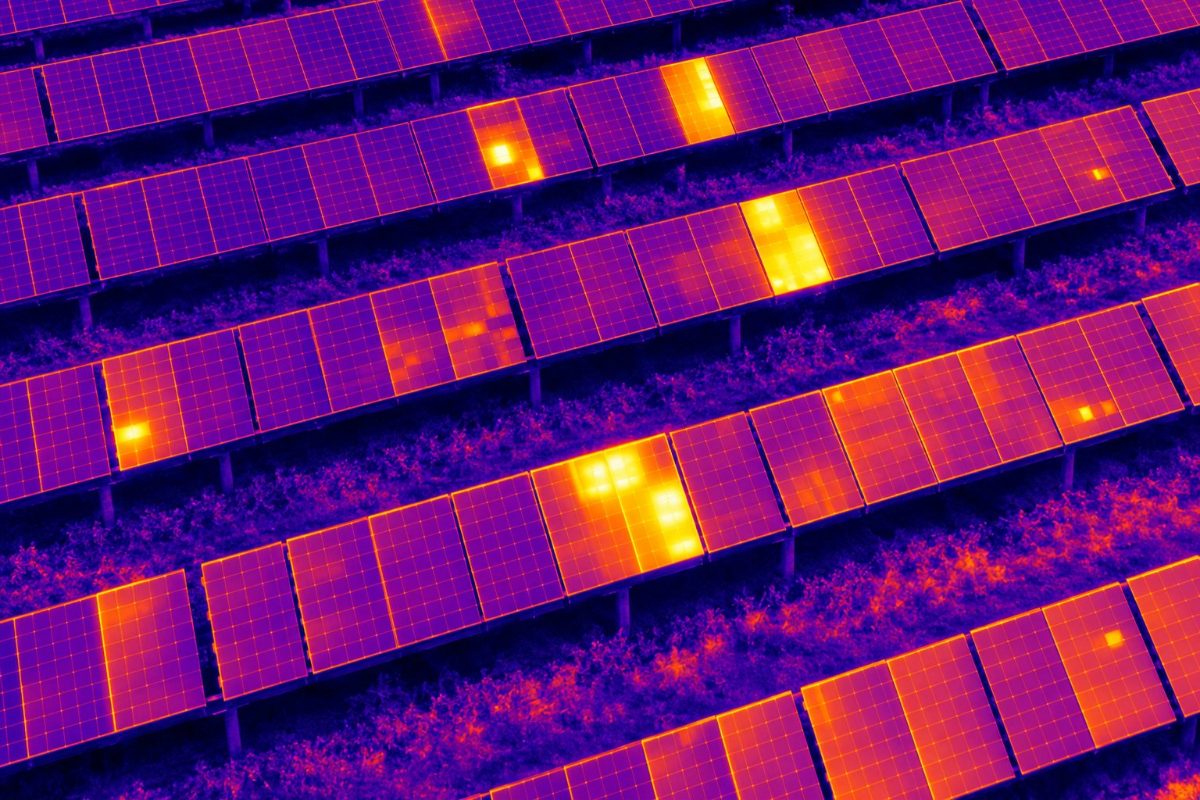
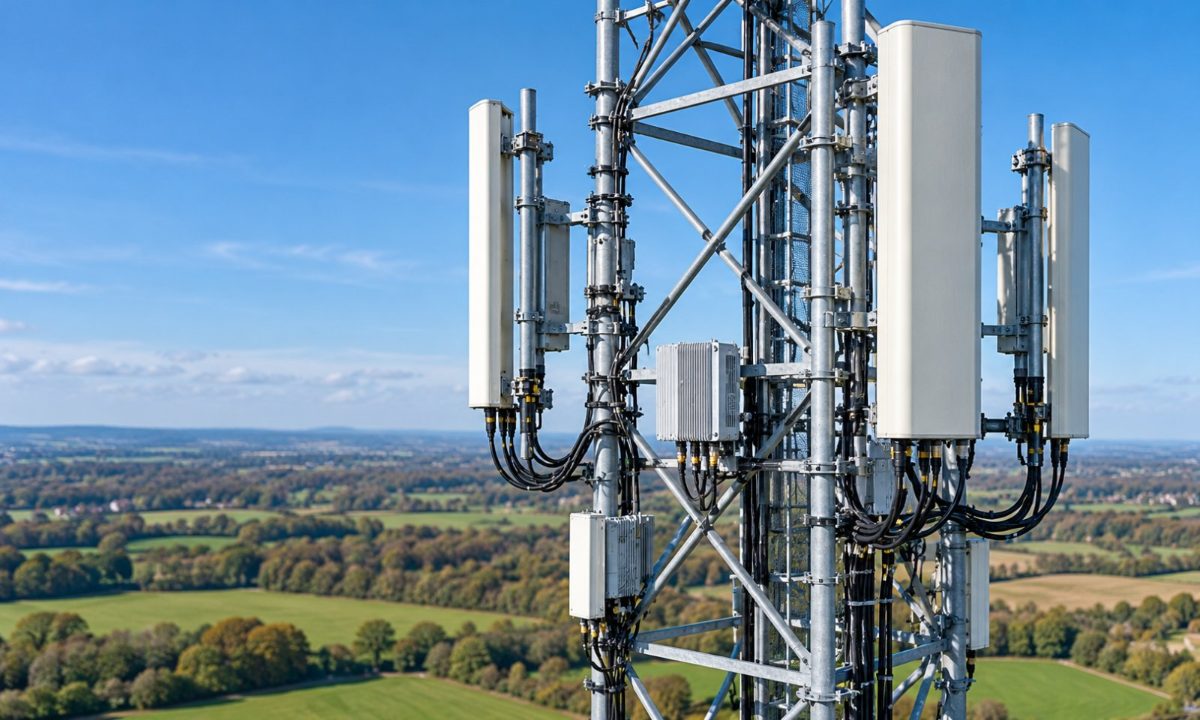
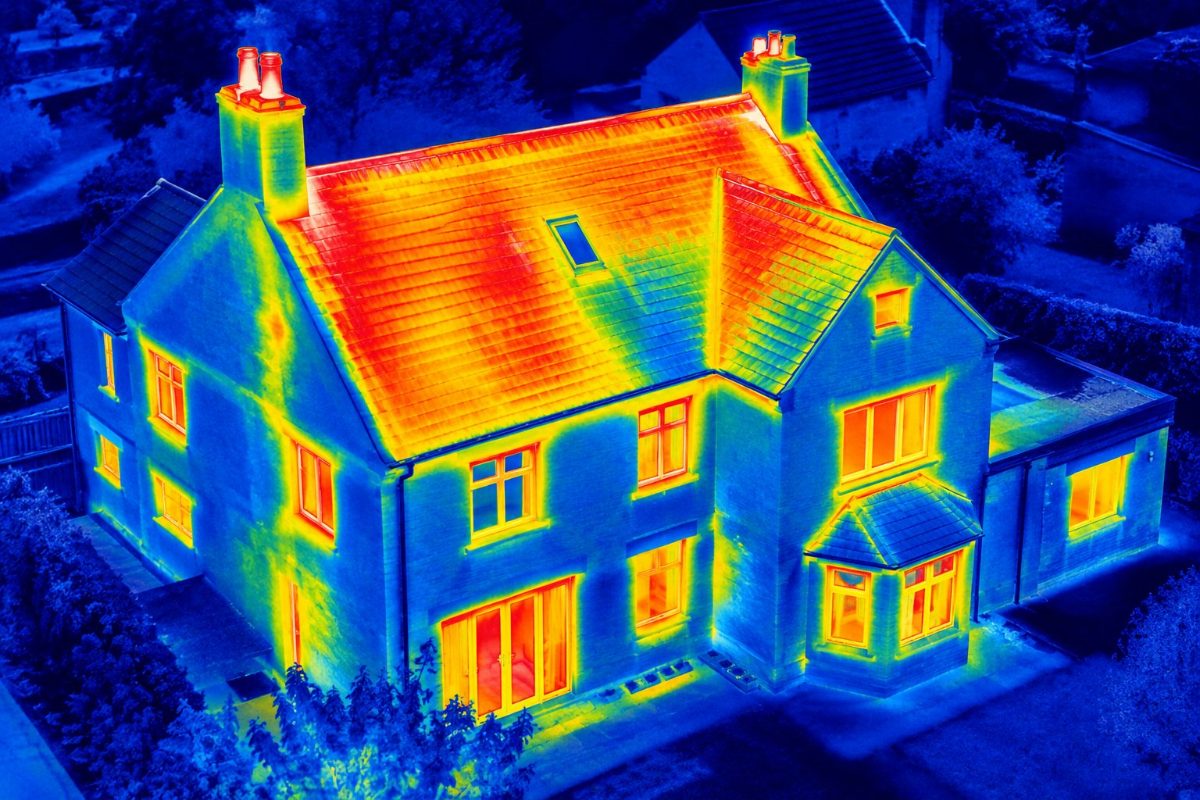
With equipment running under normal load, the drone captures radiometric thermal and zoom images of connections, insulators, transformers, switchgear exteriors and plant. Components running hotter than similar ones nearby are flagged and measured.
Each anomaly is shown as a thermal and visual pair with the temperature recorded, so your engineers can prioritise investigation and repair. Flights are agreed with the site operator and kept to safe distances from live equipment.
Typical targets
- Substation connections, bushings and insulators
- Overhead line joints and clamps
- Transformers and cooling fins
- Switchgear and plant exteriors
- Rooftop plant, chillers and flues
What you receive
- Thermography reportPDFHot spots with temperatures and thermal and visual images
- Radiometric imagesR-JPEGThermal data for your own analysis
- Findings listCSVComponent, location and temperature for each finding
- Zoom imagesJPEGClose-ups of flagged components
Who uses drone thermography
Distribution and utility operators
Routine checks of substations and overhead lines.
Industrial and manufacturing sites
Inspection of plant and exterior electrical equipment.
Facilities managers
Thermal checks of rooftop plant and services.
Solar and energy sites
Inspection of inverters, transformers and connections.
How the work is done
- ScopeEquipment to inspect, load conditions and the operator's safety rules.
- PermitAccess, exclusion zones and any permits agreed with the operator.
- FlyThermal and zoom capture under normal load.
- AnalyseAnomalies compared, checked and measured.
- ReportThermography report and findings list for your engineers.
Reliable thermal findings
Readings are most useful with equipment under normal load and in stable weather. Each anomaly is compared with similar components nearby, checked against the visual image for reflections, and reported with its measured temperature. Anomalies are reported as potential defects for investigation by appropriately qualified personnel, rather than as a diagnosis of the underlying fault.
What affects the result
- Electrical load at the time of the survey
- Sun, wind and rain
- Reflective metal surfaces
- Stand-off distance from live equipment
Thermography questions
Is it safe to fly near live equipment?
Flights are planned with the site operator, following their safety rules and agreed exclusion distances from live equipment.
Does the equipment need to be under load?
Yes. Faults show as heat, so equipment should be running under normal load during the survey.
What happens when a hot spot is found?
It is recorded with its temperature and images as a potential defect for your engineers to investigate. Anything that looks urgent is reported straight away so they can act.
Can you inspect overhead lines?
Yes, where it is safe and permitted. Joints, clamps and insulators can be inspected with thermal and zoom cameras.
Related services
All services