Thermal roof and building surveys by drone in the North East
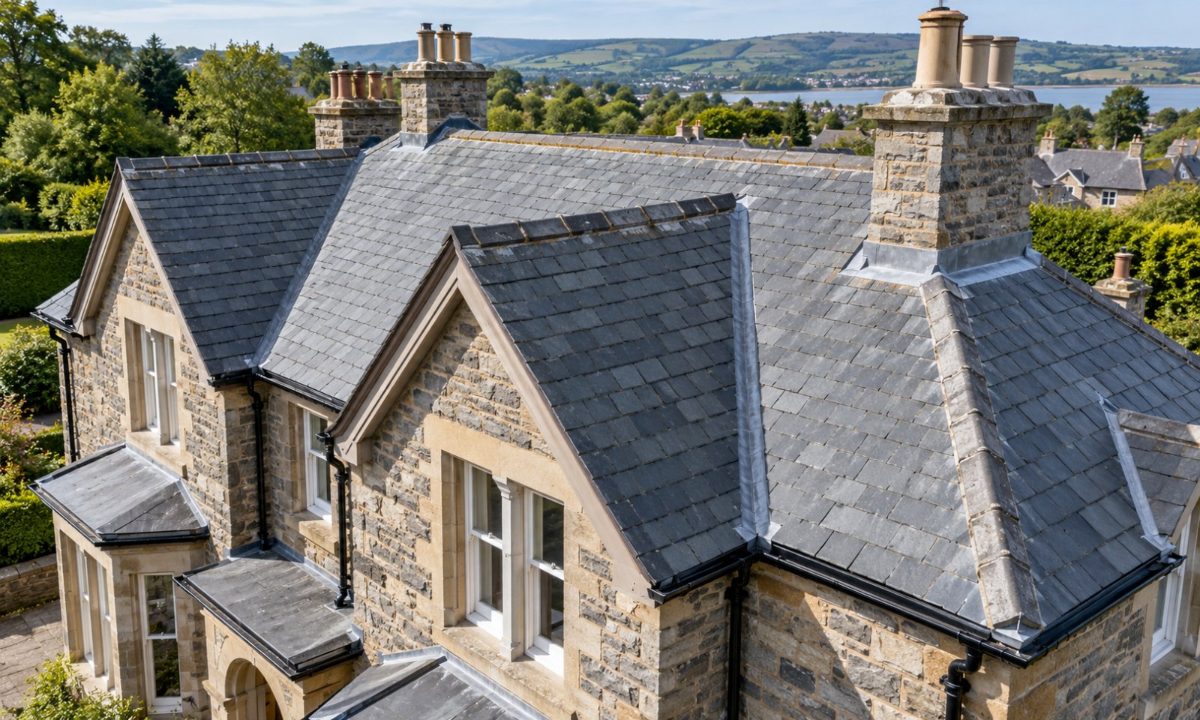
Identify thermal anomalies that may indicate heat loss, insulation defects or moisture within flat roofs. A radiometric thermal survey maps surface temperatures across roofs and elevations, and pairs each thermal image with a visual one so areas of concern can be located and investigated.
Prefer to talk it through? Call 07970 393381.

What a thermal building survey shows
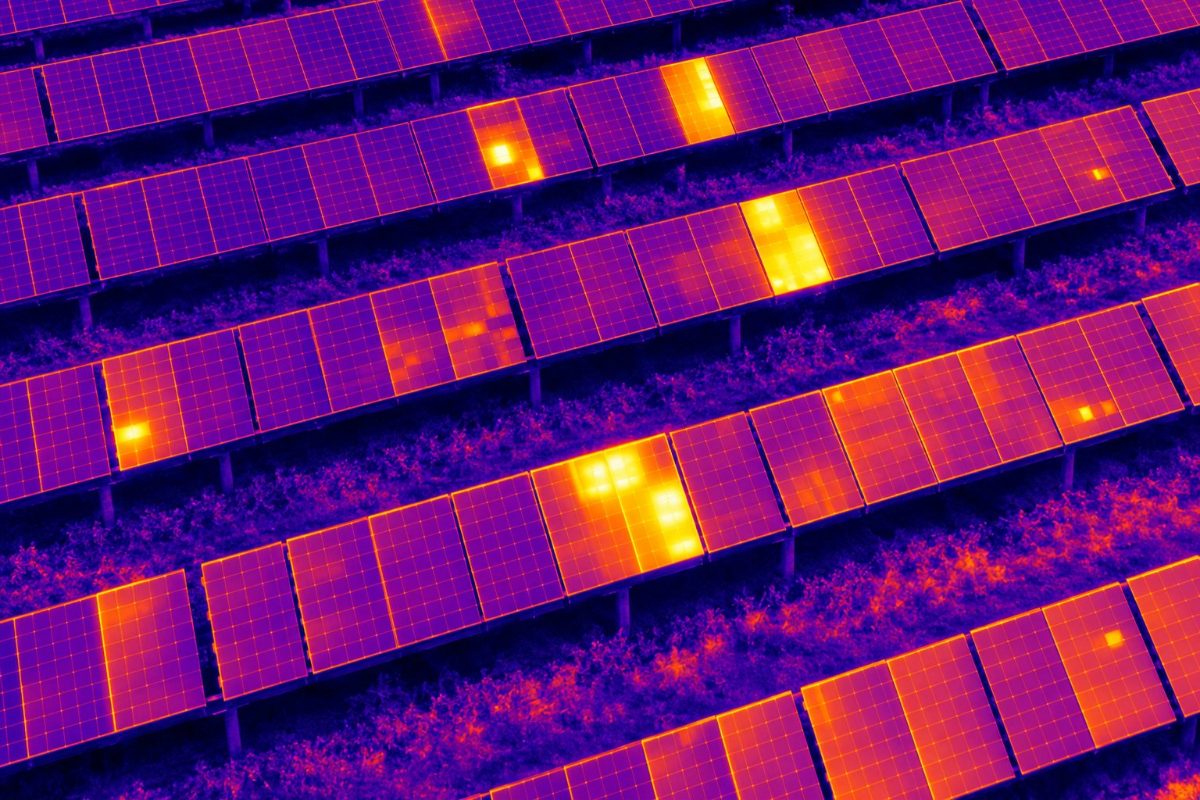
A radiometric thermal camera records the surface temperature of every pixel. Flown in the right conditions, usually on cold, dry, calm evenings or early mornings, it shows temperature patterns across roofs, walls, windows and junctions that can indicate escaping heat, or insulation that is missing or has slumped.
On flat roofs, wet insulation tends to hold heat longer than dry insulation as the roof cools after a sunny day, so suspected moisture can show as warmer patches. Each thermal image is paired with a visual image from the same position, and anomalies are marked up in a report for further investigation.
Anomalies it can highlight
- Heat loss through roofs, walls and openings
- Areas of missing, slumped or damaged insulation
- Suspected wet insulation in flat roofs
- Thermal bridging at junctions and lintels
- Possible air leakage around windows, doors and eaves
What you receive
- Thermal reportPDFAnnotated thermal and visual image pairs, with each anomaly explained
- Radiometric imagesR-JPEGThermal images with temperature data for your own analysis
- Visual imagesJPEGMatching visual and zoom images
- Roof moisture planPDFSuspected wet areas marked on a roof plan, for flat roofs
Who uses thermal building surveys
Estates and facilities managers
Prioritise insulation and roof repairs across a portfolio.
Flat roof owners and contractors
Target suspected wet insulation for investigation before replacing a whole roof.
Housing associations and councils
Target retrofit and insulation work.
Churches and heritage buildings
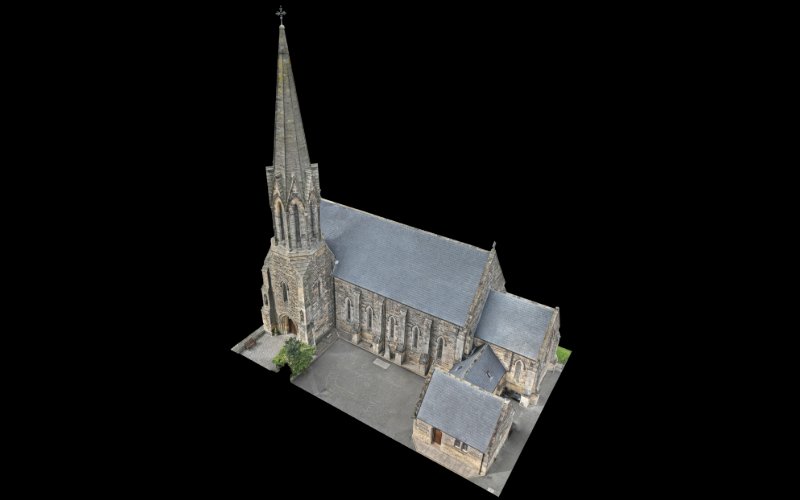
Non-intrusive checks of roofs and heat loss.
How the work is done
- ScopeBuildings, what you need to find and the roof construction, if known.
- TimingThe flight is booked for suitable weather, usually in the colder months.
- FlyThermal and visual capture of roofs and elevations.
- AnalyseThermal images reviewed and anomalies marked up.
- ReportThermal report with image pairs and findings.
Reading thermal results correctly
Thermal imaging shows surface temperature, so conditions matter. Surveys are timed for a good temperature difference between inside and out, dry surfaces and low wind. Findings are interpreted with the visual images and the building's construction in mind, and suspected moisture areas can be confirmed with core samples by your roofer.
What affects the result
- Temperature difference between inside and outside
- Wind, rain and dew on surfaces
- Sun on the building in the hours before the flight
- Reflective surfaces such as glass and metal
Thermal survey questions
When is the best time for a thermal survey?
Heat loss surveys work best in the colder months, early in the morning or after dark, when the building is heated and the outside is cold. Flat roof moisture surveys are flown in the evening after a dry, sunny day.
Can a thermal survey help find roof leaks?
Thermal imagery can highlight areas of suspected wet insulation, which can then be investigated and confirmed. These areas often help narrow down the source of a leak, and they are marked so your roofer can check them, for example with core samples.
What does radiometric mean?
Each pixel of a radiometric thermal image holds a temperature value, so temperatures can be measured and compared after the survey, not just viewed as colours.
Do you need access inside the building?
No, but the building should be heated normally before a heat loss survey. Details of the construction help with interpreting the results.
Can thermal and visual roof surveys be combined?
Yes. Visual and zoom images are captured on the same flight, so roof defects and thermal findings can be reported together.
Roof surveys and building inspectionsRelated services
All services